
What’s In This Guide
- Why Is Preserving Historic Character Important During a Kitchen Redesign?
- What Should You Consider Before Redesigning a Historic Kitchen?
- How Can You Modernize a Historic Kitchen Without Losing Its Original Charm?
- Which Kitchen Design Elements Best Match Historic Homes?
- How Do You Choose Colors That Respect Historic Home Character?
- Why Should Homeowners Hire Specialists for Historic Home Renovation Projects?
- Frequently Asked Questions
- Work With Gerety Building & Restoration for a Historic Kitchen Redesign
A successful kitchen redesign in a historic home improves daily function without erasing architectural identity. Historic home renovation projects require careful planning because original materials, craftsmanship, and period details often contribute significantly to a home’s character and long-term value. The goal is not to freeze a kitchen in time. The goal is to blend modern functionality with historically appropriate design choices.
Quick Facts
- Kitchen redesign should preserve historic character while improving everyday function.
- Original floors, built-ins, millwork, and hardware should be evaluated before demolition.
- Period-appropriate cabinets, finishes, colors, and fixtures support architectural consistency.
- Discreet modern upgrades can add comfort without erasing historic charm.
Why Is Preserving Historic Character Important During a Kitchen Redesign?
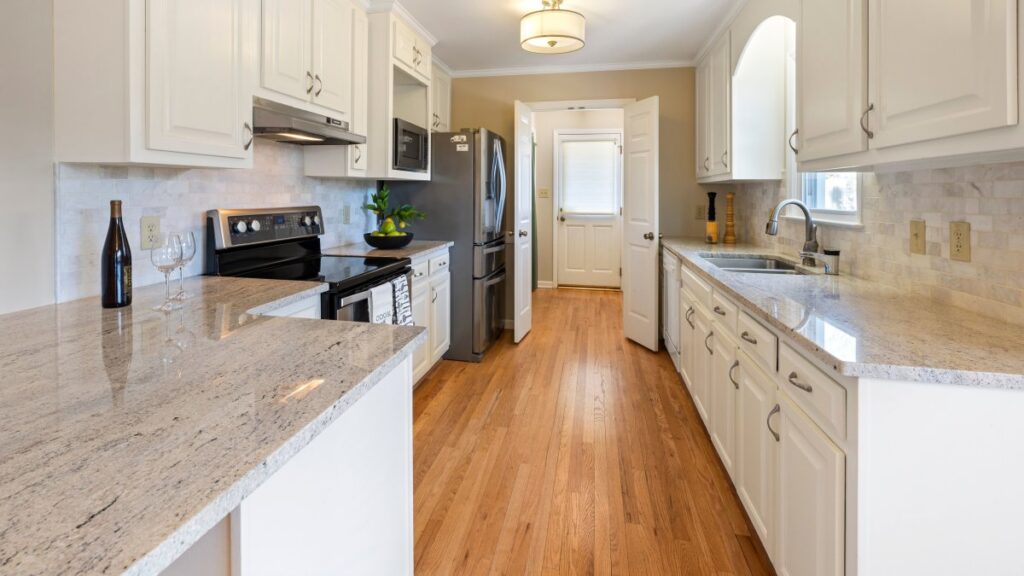
Preserving historic character protects architectural integrity while maintaining the unique features that distinguish older homes from modern construction.
Common historic features worth protecting include:
- Original wood flooring
- Built-in cabinetry
- Crown molding
- Decorative trim
- Vintage hardware
- Historic windows
- Custom millwork
- Ceiling medallions and architectural details
Which Historic Kitchen Features Should Be Preserved Whenever Possible?
Original elements that define the home’s architectural period should receive the highest preservation priority. Preservation should still be balanced with safety, code requirements, material condition, and the homeowner’s functional needs.
Before demolition begins, identify features that contribute to the home’s historical significance.
Priority preservation elements include:
- Original cabinetry with salvageable structure
- Built-in hutches and storage units
- Hardwood flooring
- Decorative molding and trim
- Historic doors and window casings
- Original ceiling details
- Period-specific hardware
How Can Removing Original Features Reduce a Home’s Character?
Removing character-defining elements often creates a generic appearance that weakens historical authenticity.
Many kitchen remodelers focus primarily on functionality, but historic home renovation projects require a broader perspective.
Common mistakes include:
- Replacing original woodwork with stock trim
- Installing contemporary cabinet styles that conflict with the home’s era
- Removing built-ins to create open layouts
- Using modern finishes that visually disconnect from surrounding spaces
What Should You Consider Before Redesigning a Historic Kitchen?
A successful historic kitchen redesign starts with evaluating the existing space before making design decisions. Focus on the original features, preservation needs, functional gaps, material condition, and renovation limits that will shape the project.
Original Architectural Features
Identify the elements that give the kitchen its historic character. These may include original cabinetry, hardwood flooring, built-in storage, decorative trim, plaster walls, historic windows, vintage hardware, or period-specific millwork.
Preservation Priorities
Decide which features should be protected, restored, or carefully integrated into the new design. Preservation priorities help prevent unnecessary demolition and keep the kitchen connected to the rest of the historic home.
Functional Limitations
Assess where the kitchen falls short for modern use. Common issues include limited storage, poor lighting, outdated appliances, awkward workflow, insufficient counter space, and inadequate ventilation.
Existing Material Condition
Review the condition of cabinets, flooring, walls, trim, hardware, and structural elements. Many original materials can be repaired, refinished, or replicated instead of fully replaced.
Necessary System Updates
Older kitchens often need electrical, plumbing, HVAC, or ventilation improvements. These updates should be planned early so modern functionality can be added without damaging important period details.
Layout Constraints
Consider walls, doorways, windows, ceiling heights, and built-ins before changing the layout. Historic kitchens often have architectural limits that require creative design solutions instead of major structural changes.
Period-Appropriate Design Choices
Select cabinetry, countertops, fixtures, hardware, colors, and finishes that complement the home’s architectural era. Period-appropriate choices create a kitchen redesign that feels intentional, not disconnected.
Local Preservation Rules
Check whether the home is part of a historic district or subject to preservation guidelines. Local rules may affect permits, materials, exterior changes, window replacements, and structural modifications.
How Can You Modernize a Historic Kitchen Without Losing Its Original Charm?
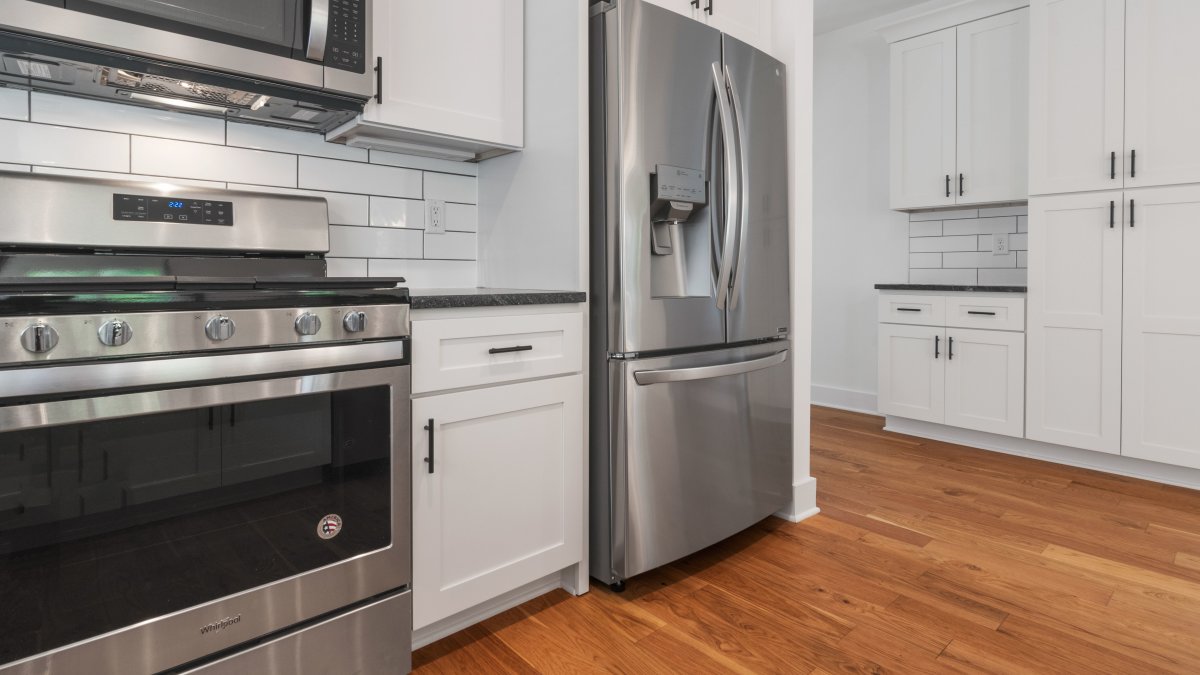
A historic kitchen can be modernized by improving function in ways that respect the home’s original architecture. The best approach preserves visible period details while adding storage, lighting, appliances, and systems that support daily use.
Preserve Character-Defining Features First
Protect the elements that make the kitchen feel connected to the home’s history. Original trim, hardwood flooring, built-ins, window casings, plaster details, and vintage hardware should be assessed before any demolition begins.
Upgrade Function Behind the Scenes
Modern functionality does not need to dominate the design. Electrical, plumbing, ventilation, insulation, and lighting upgrades can often be integrated behind walls, under cabinets, or within existing architectural boundaries.
Use Period-Appropriate Cabinets and Finishes
Choose cabinetry, hardware, colors, and finishes that match the home’s architectural era. Inset cabinets, Shaker profiles, furniture-style details, antique brass, oil-rubbed bronze, and muted historic colors can support a cohesive kitchen redesign.
Integrate Modern Appliances Discreetly
Many manufacturers now offer appliance designs and panel-ready options that can work well in historic settings.
|
Appliance |
Preservation-Friendly Solution |
|
Refrigerator |
Cabinet panel integration |
|
Dishwasher |
Concealed panel fronts |
|
Microwave |
Built-in cabinetry placement |
|
Range hood |
Decorative enclosure design |
|
Wine storage |
Hidden cabinetry integration |
Improve Storage Without Removing Historic Details
Storage upgrades should work with the existing architecture instead of replacing it. Pull-out pantry shelves, drawer organizers, corner solutions, and custom built-ins can add capacity while preserving period details.
Add Lighting That Supports Both Style and Function
Layered lighting improves usability without disrupting historic charm. Under-cabinet lights, pendant fixtures, sconces, and recessed lighting placed carefully can brighten work zones while maintaining a traditional look.
Keep Layout Changes Practical and Minimal
Major structural changes can weaken historic character. Focus on improving workflow, counter space, appliance placement, and circulation before removing walls, altering windows, or changing the room’s original proportions.
Match New Materials to the Home’s Existing Architecture
New materials should feel compatible with the original design. Soapstone, marble, butcher block, natural wood, handmade tile, and traditional hardware often work better in historic home renovation than highly modern finishes.
Which Kitchen Design Elements Best Match Historic Homes?
Design selections should align with the home’s architectural period and original design language.
Consistency matters more than trends.
Cabinet Styles That Work Best in Historic Home Renovations
Traditional cabinet styles typically perform best in historic settings.
Strong options include:
- Shaker cabinets
- Inset cabinetry
- Raised panel designs
- Furniture-style cabinetry
- Beaded panel doors
Countertop Materials That Complement Historic Kitchens
Natural materials generally align better with historic architecture.
|
Material |
Historic Compatibility |
|
Soapstone |
Excellent |
|
Marble |
Excellent |
|
Butcher block |
Excellent |
|
Quartz with traditional appearance |
Good |
|
Highly polished contemporary surfaces |
Limited |
Hardware, Fixtures, and Finishes That Preserve Period Details
Small details often determine whether a renovation feels historically appropriate.
Recommended options include:
- Antique brass finishes
- Bridge faucets
- Bin pulls
- Porcelain knobs
- Oil-rubbed bronze hardware
- Traditional latch mechanisms
How Do You Choose Colors That Respect Historic Home Character?
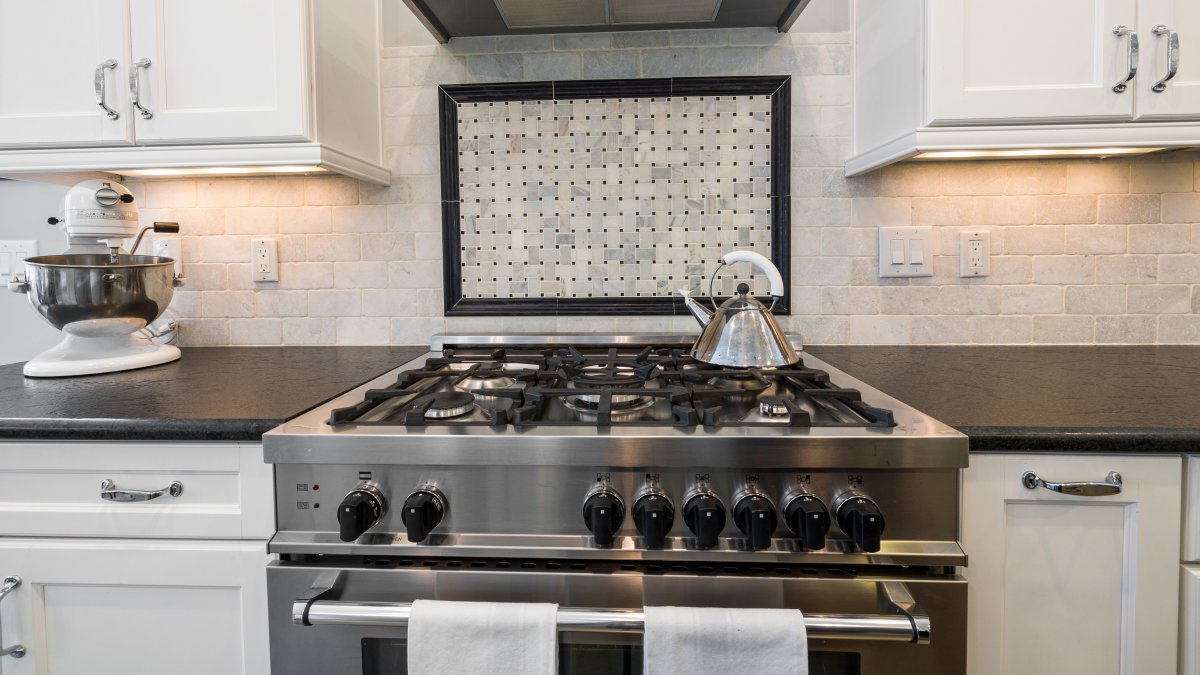
Choosing the right color palette helps maintain architectural authenticity and creates a more cohesive kitchen redesign. Historic homes often look best when colors complement the property’s original design period instead of following short-term trends.
- Research Era-Appropriate Color Palettes: Historic paint manufacturers and preservation organizations frequently publish color collections based on specific architectural styles and time periods. These resources can help guide color selections that align with the home’s original character.
- Prioritize Timeless Over Trend-Driven Colors: Soft neutrals, muted greens, warm whites, deep blues, and earth tones often age better than contemporary trend colors. Traditional palettes typically create stronger visual continuity throughout a historic home.
- Consider Existing Architectural Features: Original woodwork, flooring, trim, cabinetry, and built-in elements should influence color choices. Coordinating paint colors with existing materials helps preserve period details and maintain balance within the space.
- Use Contrast Carefully: Historic interiors often feature subtle contrast rather than dramatic color shifts. Accent colors can add visual interest without overpowering original architectural elements.
- Match Finish Sheens to the Home’s Style: Satin, eggshell, and matte finishes generally complement historic interiors better than high-gloss surfaces. Appropriate finishes can enhance authenticity while providing durability for everyday use.
Why Should Homeowners Hire Specialists for Historic Home Renovation Projects?
Historic homes require expertise beyond standard remodeling practices.
Specialists understand:
- Preservation standards
- Material restoration techniques
- Architectural history
- Period-appropriate design decisions
What Should You Look for When Comparing Kitchen Remodelers?
Preservation experience should outweigh general remodeling volume.
|
General Remodeler |
Historic Renovation Specialist |
|
Focus on replacement |
Focus on preservation |
|
Standard material selection |
Period-appropriate materials |
|
Modern design emphasis |
Architectural consistency |
|
Limited restoration expertise |
Restoration craftsmanship |
➤ RELATED ARTICLE: How to Choose Kitchen Remodel Contractors for a High-End Westchester or Fairfield County Home
Frequently Asked Questions
How long does a historic kitchen renovation typically take?
Most historic kitchen renovations take longer than standard remodels because older homes often reveal hidden issues during construction. Project timelines can vary based on the scope of work, permit requirements, and the availability of specialty materials. Planning for additional time helps reduce unexpected delays.
Can original materials increase the value of a historic home?
Original materials often contribute to a home’s authenticity and appeal. Features such as hardwood flooring, custom millwork, and vintage details can attract buyers who appreciate historic architecture. Preserving these elements may support long-term property value.
Is it possible to improve energy efficiency in a historic kitchen?
Many energy-efficient upgrades can be added without compromising historic character. Improved insulation, updated appliances, efficient lighting, and modern ventilation systems can reduce energy consumption while maintaining the home’s original appearance. Careful planning helps balance performance and preservation.
What challenges are common in older kitchen renovations?
Older kitchens may contain outdated wiring, aging plumbing, uneven floors, or hidden structural issues. These conditions are not always visible before construction begins. A thorough inspection can help identify potential challenges early in the planning process.
Should a historic kitchen match the rest of the house?
A kitchen should feel connected to the home’s overall architectural style. Consistent materials, finishes, colors, and design details create a more cohesive appearance. Maintaining visual continuity helps preserve the character of the property.
Work With Gerety Building & Restoration for a Historic Kitchen Redesign
Gerety Building & Restoration specializes in balancing architectural preservation with modern functionality. Historic home renovation projects require careful attention to period details, material compatibility, and long-term performance.
If you are planning a kitchen redesign in a historic home, contact Gerety Building & Restoration to discuss preservation-minded solutions that respect your home’s architectural heritage while supporting modern living.