
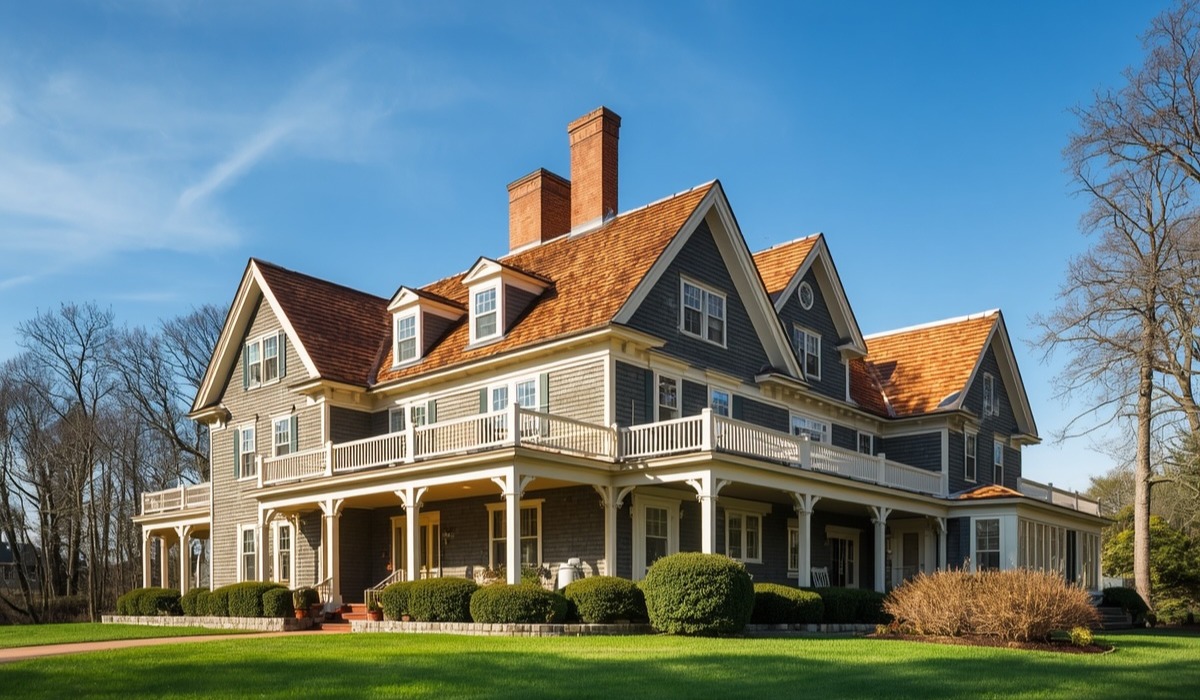
Not every renovation pays off equally. Understanding which projects deliver the strongest return is the foundation of any smart home investment strategy. Home renovations that increase home value tend to share a common thread: they address function, aesthetics, and buyer priorities simultaneously. Rather than focusing on any one factor in isolation, the best projects integrate all three elements cohesively.
Why Home Renovations That Increase Home Value Vary Dramatically
One of the most common mistakes homeowners make is choosing a renovation based on personal preference rather than market data. A $200,000 primary suite addition in a neighborhood where comparable homes sell for $500,000 will almost never recoup its full cost. Conversely, a $15,000 garage door replacement in a suburban market can return more than 90 cents on every dollar spent.
The local real estate market also plays a decisive role in outcomes. In high-demand areas like Fairfield County, CT and Westchester County, NY, buyers expect a higher baseline of quality. Mid-grade finishes that might impress buyers in other markets can actually feel underwhelming here. Therefore, working with contractors who understand regional buyer expectations is not a luxury but a practical necessity.
Several additional variables affect ROI significantly:
- The current condition of the home relative to its neighborhood
- Whether the renovation corrects a functional problem or purely adds aesthetics
- The quality of materials and craftsmanship
- Timing relative to a planned sale or refinance
Understanding the custom home builder cost factors luxury homes dynamic helps illustrate why premium finishes carry different ROI curves. Different market tiers operate under fundamentally different valuation principles.
Kitchen Renovations: The Highest-Visibility Investment for Home Renovations That Increase Home Value
Kitchens consistently rank as one of the top categories in home renovations that increase home value. For good reason, the kitchen is the room buyers spend the most time evaluating during showings. It signals how the home has been maintained, whether the layout works for modern living, and whether the owners invested in the property long-term.
That said, the difference between a minor kitchen refresh and a full gut renovation is enormous. Both cost and expected return diverge significantly. A minor kitchen remodel typically involves refacing cabinets, replacing hardware, updating appliances, and installing new countertops. This approach can return a significant portion of its cost in added value.
A major kitchen overhaul, however, involves structural changes, custom cabinetry, and high-end appliances. It costs far more and may not recoup the same percentage, though it can still be the right move in luxury markets. Buyers in those segments expect that level of finish.
Planning is critical for success. Understanding how kitchen remodelers plan around custom cabinets appliances and lighting shows why these projects require a coordinated approach. Piecemeal upgrades often fail. Cabinets, appliances, and lighting are interdependent design decisions, and getting them wrong leaves even an expensive kitchen feeling disjointed.
For homeowners in the greater New York metro area, regional knowledge matters considerably. Working with kitchen remodelers Westchester Fairfield local expertise ensures your design choices align with what buyers in your specific market actually value. National trends may not apply locally.
Bathroom Upgrades That Move the Needle for Home Renovations That Increase Home Value
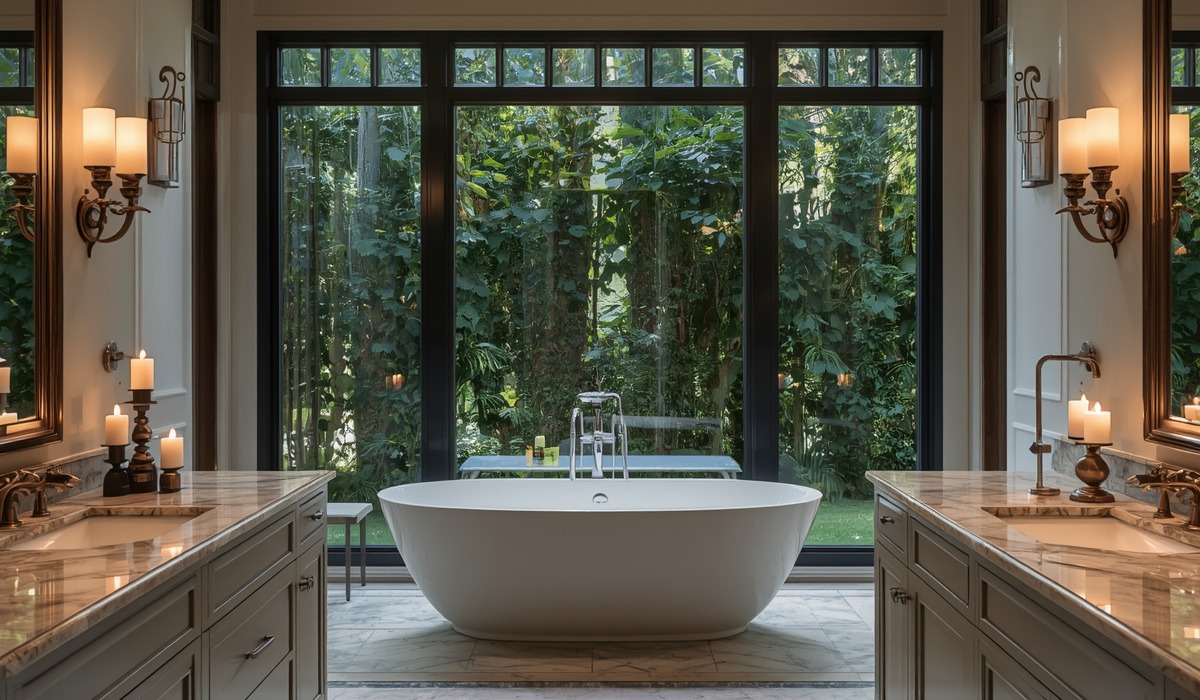
After the kitchen, bathrooms are the next most closely scrutinized space in any home sale. Buyers will tolerate an older but functional kitchen more readily than a bathroom that feels dated or poorly maintained. This is because bathrooms carry a strong hygiene and comfort association that kitchens, which are more task-oriented, do not trigger in the same way.
A mid-range bathroom remodel covers a new vanity, updated fixtures, re-tiled shower, and improved lighting. These projects can return a meaningful percentage of their cost in many markets. Additionally, upscale bathrooms with heated floors, frameless glass enclosures, and freestanding soaking tubs perform particularly well in affluent markets. Buyers comparing your home to similarly priced listings notice these features.
Key considerations when planning a bathroom renovation include:
- Prioritize the primary bathroom first; secondary baths matter less unless they are visibly outdated
- Ventilation is frequently overlooked and can cause long-term moisture damage if not addressed
- Accessibility features like walk-in showers and wider doorways increasingly appeal to buyers planning to age in place
- Tile selection affects both durability and perceived quality significantly
Gerety Building & Restoration has been delivering luxury bathroom renovations across Fairfield County and Westchester County for over 40 years. They consistently align finishes and layouts with what high-end buyers in this region expect.
Outdoor Living, Curb Appeal, and First Impressions
A buyer’s evaluation of your home begins before they step through the front door. Curb appeal encompasses everything from the driveway surface and garage door to landscaping, exterior paint, and roof condition. Neglecting the exterior while investing heavily inside creates a perception gap. This gap can undermine your interior improvements significantly.
Specific outdoor projects with strong value potential include:
- Deck and patio additions: Usable outdoor living space is highly valued in the Northeast, particularly on properties where interior square footage is fixed by neighborhood lot constraints
- Garage door replacement: One of the highest-ROI projects nationally, according to Cost vs. Value data
- Roofing replacement: Less glamorous but critical; a visibly aging roof triggers buyer caution and inspector red flags that can derail negotiations
- Masonry and exterior stonework: In luxury markets, well-executed masonry adds permanence and quality signaling that buyers respond to
If you are weighing whether to expand your living space through a structural addition rather than an outdoor project, our guide to home addition vs moving expand your space lays out the trade-offs clearly. Sometimes the better investment is a well-designed deck or outdoor kitchen rather than a full interior addition, depending on how your home compares to neighbors.
Basement Finishing and Usable Square Footage
Finished square footage is one of the primary drivers of appraised home value in most U.S. markets. An unfinished basement represents a significant opportunity for homeowners. Converting a raw basement into a livable space adds meaningful square footage at a cost-per-square-foot that is typically lower than building an above-grade addition.
However, several preconditions must be met before a basement renovation makes financial sense:
- Moisture intrusion or prior flooding must be fully remediated before finishing begins
- Ceiling height affects how livable and marketable the finished space will feel; low ceilings limit appeal
- Egress requirements for bedrooms must comply with local building codes
- Mechanical systems, including HVAC distribution, electrical panels, and plumbing access, need proper integration
When done correctly, a finished basement can add substantial value. Furthermore, it can differentiate your home in a competitive market effectively. In Fairfield and Westchester counties, where land costs are high, a well-executed basement finish often offers one of the most efficient value-per-dollar outcomes available.
Energy Efficiency and Smart Home Integration
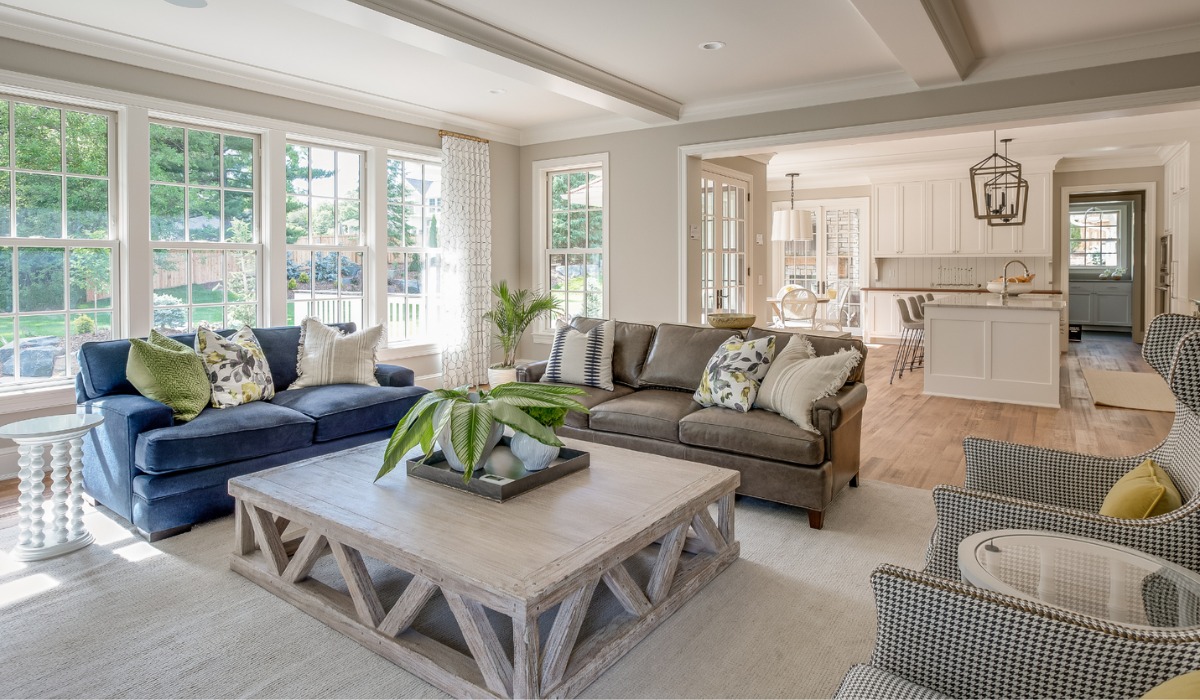
Buyers in the current market are increasingly aware of operating costs. Energy-efficient upgrades can influence both appraised value and buyer willingness to pay a premium. Insulation upgrades, high-efficiency HVAC systems, replacement windows with modern glazing specifications, and solar readiness are all features that sophisticated buyers weigh seriously.
Smart home integration is a related and growing category with expanding importance. Features like integrated lighting control, automated climate systems, smart security, and whole-home audio are no longer novelties in luxury homes. In many price brackets, they are expected. Gerety Building & Restoration incorporates smart home integration as a standard service offering, which reflects how embedded these systems have become in high-end construction and renovation projects.
Efficiency improvements also tend to have a compounding effect on value. They lower utility costs during ownership, which appeals to buyers calculating long-term carrying costs. Moreover, they often qualify for federal tax incentives under programs administered through the IRS and the Department of Energy. These incentives can offset a portion of the upfront investment.
Flooring, Millwork, and Interior Finishes
Flooring is one of the highest-impact finishes in any home because it is visible throughout every room. It affects how buyers perceive quality the moment they enter. Hardwood floors consistently outperform carpet in resale scenarios. In addition, refinishing existing hardwood is often one of the highest-ROI projects available since the raw material is already in place.
Beyond flooring, millwork and carpentry details communicate craftsmanship effectively. Crown molding, wainscoting, built-in shelving, coffered ceilings, and custom stair railings signal quality construction to buyers who have seen many homes. These details are especially important in the luxury segment, where buyers are comparing your home to others priced at similar levels. They are actively looking for differentiation.
Gerety Building & Restoration has deep roots in carpentry and custom woodwork. This expertise is a natural outgrowth of their 40-plus years of historic home restoration work in the region. That level of craftsmanship translates directly into renovation projects where millwork and custom detailing are part of the value proposition.
A Practical Comparison of High-ROI Projects
The table below summarizes common renovation categories by general return potential, complexity, and applicability to the luxury market. Cost and ROI figures vary significantly by market, contractor, and project scope. Treat these as directional rather than absolute benchmarks.
| Renovation Category | General ROI Range | Complexity | Luxury Market Relevance |
|---|---|---|---|
| Minor Kitchen Remodel | High | Moderate | High |
| Major Kitchen Overhaul | Moderate-High | High | Very High |
| Mid-Range Bathroom Remodel | Moderate-High | Moderate | High |
| Garage Door Replacement | Very High | Low | Moderate |
| Deck/Outdoor Living Addition | Moderate-High | Moderate | High |
| Basement Finishing | Moderate | High | High |
| Roof Replacement | Moderate | High | Essential |
| Hardwood Floor Refinishing | High | Low-Moderate | High |
| Smart Home Integration | Moderate | Moderate-High | Very High |
| Energy Efficiency Upgrades | Moderate | Varies | Moderate-High |
ROI ranges are directional and vary by market, materials, and execution quality. Consult a local real estate professional or appraiser for property-specific projections.
How to Prioritize When You Cannot Do Everything at Once
Most homeowners cannot execute every desirable renovation simultaneously. Therefore, sequencing decisions matter considerably. A practical framework for prioritization helps guide your choices:
- Address any deferred maintenance or structural issues first; these are non-negotiable for appraisals and inspections
- Focus next on the kitchen and primary bathroom, which carry the highest buyer scrutiny
- Improve curb appeal and exterior condition to ensure first impressions match interior quality
- Add livable square footage through basement finishing or strategic additions where budget allows
- Layer in efficiency and smart home features as budget permits, particularly if sale is more than 12 months out
The sequence matters as much as the projects themselves. Finishing a basement beautifully before fixing a leaking roof creates risk, not value. Working with an experienced design-build firm helps avoid sequencing mistakes. These errors cost more to correct later.
Things to Know
- ROI percentages for renovations vary significantly by region. National averages from sources like Remodeling Magazine’s Cost vs. Value Report are useful benchmarks. However, local market conditions in Fairfield County and Westchester County can shift those numbers considerably in either direction.
- Over-improving relative to your neighborhood is a real risk. If your renovated home would be priced significantly above comparable sales on your street, you are unlikely to recover the full cost of premium upgrades regardless of their quality.
- Permits matter more than many homeowners realize. Unpermitted work, even high-quality work, can complicate appraisals, delay closings, and create liability during a sale. Always verify permit requirements before starting any structural, electrical, or plumbing work.
- Cosmetic updates alone rarely offset deferred maintenance in an appraisal. A freshly renovated kitchen will not move the needle the way you expect if the roof, HVAC system, or foundation has known issues flagged in an inspection report.
- The timing of a renovation relative to a planned sale affects which projects make sense. Projects completed too far in advance may show wear by the time the home lists. Conversely, projects rushed to completion just before listing may signal haste to experienced buyers.
- Historic homes, which are common throughout Fairfield and Westchester counties, carry additional considerations. Certain renovations must respect original architectural character. In some jurisdictions, historic district regulations may restrict what changes are permitted on the exterior.
Start Your Renovation With a Team That Knows This Market
If you are planning renovations with resale value or long-term equity in mind, the quality of your contractor shapes the outcome significantly. The project you choose matters, but so does the team executing it. Contact Gerety Building & Restoration to schedule a consultation. Discuss which projects make the most sense for your home, your neighborhood, and your timeline. With over 40 years of experience serving homeowners in Fairfield County and Westchester County, our team brings both craftsmanship and regional market knowledge. We help you invest wisely. Tell us about your home and your goals, and we will help you build a renovation plan that delivers real, lasting value.
Frequently Asked Questions
Q: Which home renovation adds the most value before selling?
Kitchen remodels and bathroom upgrades consistently deliver the strongest combination of buyer appeal and return on investment in most U.S. markets.
Minor to mid-range kitchen remodels, which focus on cabinet refacing, countertops, and appliances, often return a higher percentage of their cost than full gut renovations. Bathroom updates follow closely, particularly when the primary bathroom feels dated. In affluent suburban markets like Fairfield County and Westchester County, the baseline quality expectation is higher, so projects that would impress buyers in other regions may need to reach a luxury finish level to have the same effect locally.
Q: How do I know if a renovation will actually increase my home’s appraised value?
The most reliable way to assess this is to consult a licensed appraiser or a local real estate professional before committing to a project budget.
Appraisers assess value based on comparable sales in your specific market, not on what you spent. A renovation that exceeds neighborhood price ceilings will rarely return its full cost in an appraisal, regardless of quality. Getting a pre-renovation appraisal or a comparative market analysis from a local agent gives you a realistic ceiling for your investment and helps you avoid over-improving for your street.
Q: Is it better to renovate before selling or sell the home as-is?
The right answer depends on your home’s current condition, the local market, and how close you are to the neighborhood price ceiling.
In a strong seller’s market, well-maintained homes with older finishes may sell quickly without renovation, particularly if priced accordingly. In competitive markets where buyers expect move-in-ready condition, strategic updates to kitchens, bathrooms, and curb appeal can meaningfully reduce days on market and support a higher list price. A short-term, cosmetic-focused renovation plan is often more effective than a comprehensive overhaul when the goal is a near-term sale.
Q: Do finished basements add to a home’s appraised square footage?
Finished basement space is typically counted separately from above-grade square footage in most appraisal standards, which affects how it contributes to value.
Under the American National Standards Institute guidelines that most appraisers follow, below-grade finished space is valued differently than above-grade living area. It still contributes positively to a home’s overall value and marketability, particularly when the finished space functions well as a home office, gym, or entertainment room. However, homeowners should not expect dollar-for-dollar parity with above-grade additions when estimating return.
Q: How much should I budget for a kitchen renovation that will increase home value?
Budget ranges vary widely based on scope, materials, and market, but a mid-range kitchen remodel in the Fairfield and Westchester County area typically starts well above the national average due to regional labor and material costs.
A minor refresh, covering new hardware, paint, countertops, and appliances, can be completed for a fraction of the cost of a full custom kitchen. A major kitchen renovation involving layout changes, custom cabinetry, and premium appliances can reach six figures in luxury markets. The right budget depends on your home’s price tier and how your kitchen compares to comparable listings in your neighborhood. A design-build firm with regional experience can help you identify where to invest and where to scale back without compromising the result.
The Bottom Line on Home Renovations That Increase Home Value
Not all renovation dollars are equal. The projects that drive the most value share a consistent profile: they address buyer priorities, align with local market expectations, and are executed with quality that holds up to scrutiny. Home renovations that increase home value work best when planned strategically and sequenced correctly. Building with contractors who understand both the craft and the market they are working in matters profoundly.
If you own a home in Fairfield County or Westchester County and are weighing your next project, start with a clear picture of your goals. Consider your home’s current condition relative to the neighborhood, and develop a realistic budget. Then work with a team that has the experience to translate that plan into lasting value. Gerety Building & Restoration has been doing exactly that for over 40 years, and we are ready to help you make your next investment count.