
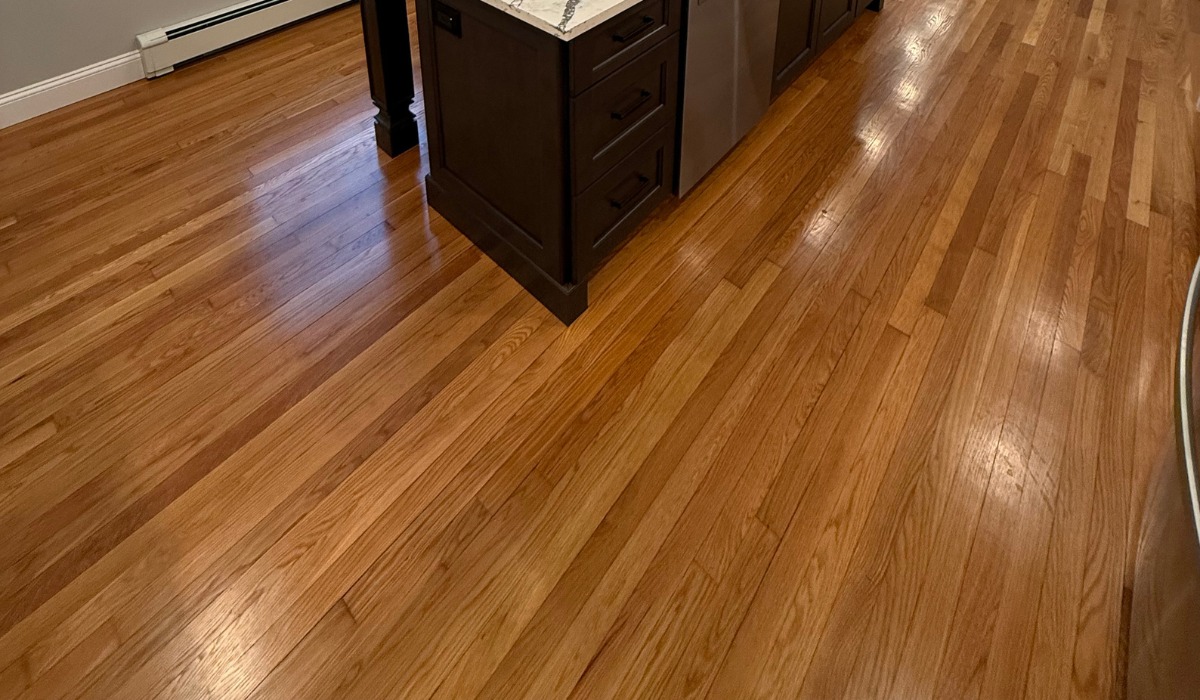
Understanding hardwood flooring installation cost helps you make informed decisions before committing to a project. Hardwood flooring installation cost typically ranges from $6 to $25 per square foot, covering both materials and labor, though luxury species and complex layouts can push totals well beyond that range. Additionally, knowing what drives that number helps you avoid budget surprises and make smarter choices about materials, contractors, and timing.
Table of Contents
- What Drives the Hardwood Flooring Installation Cost
- Material Costs by Wood Type
- Labor Costs and What Installers Actually Charge
- Room Size, Layout, and Site Conditions
- Engineered vs. Solid Hardwood: Installation Cost Differences
- Hidden Costs Most Homeowners Miss
- How Hardwood Flooring Fits Into a Larger Renovation
- Things to Know
- Frequently Asked Questions
What Drives the Hardwood Flooring Installation Cost
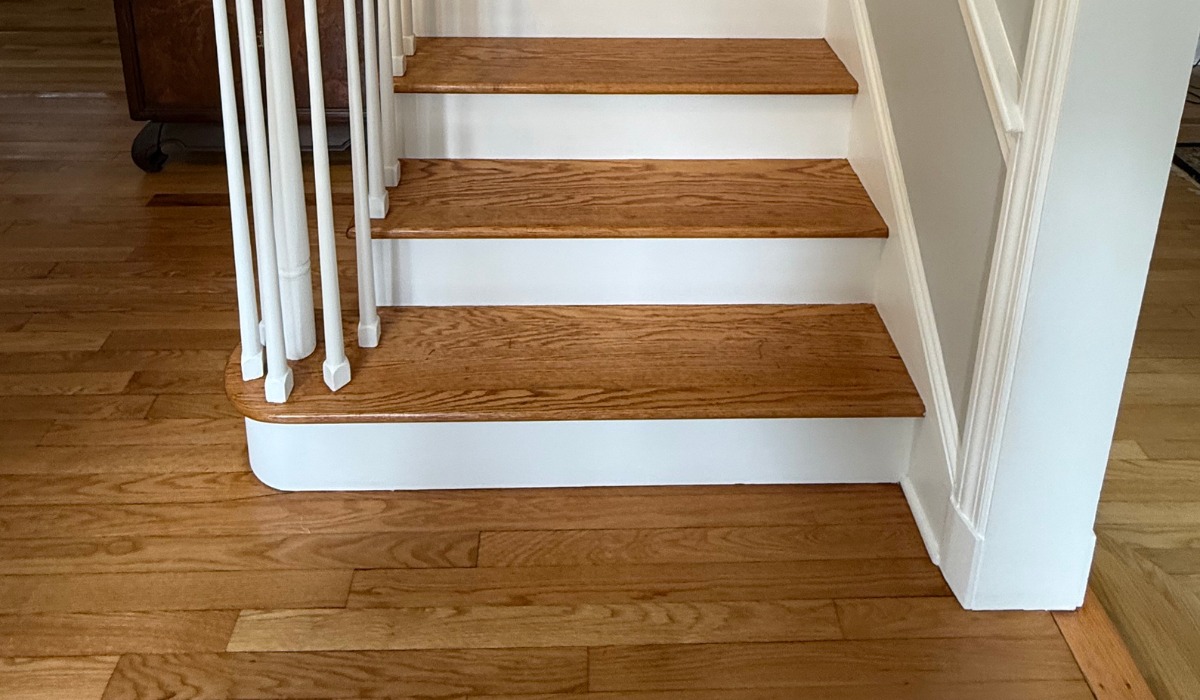
Several variables interact to determine your final invoice. None of them exist in isolation.
Wood species. Domestic species like red oak, white oak, and maple sit at the more accessible end of the price spectrum. They typically cost $3 to $8 per square foot for material alone. In contrast, exotic imports such as Brazilian cherry, teak, or tigerwood can reach $10 to $20 per square foot just for the wood. Before a single nail is driven, you need to budget accordingly.
Grade and cut. Clear-grade hardwood with minimal knots and uniform grain costs more than select or common grades. Furthermore, quartersawn and rift-sawn boards offer superior stability and a distinctive grain pattern. These premium cuts command a premium over the standard plain-sawn option.
Plank width. Narrow strip flooring (2.25 inches wide) is generally cheaper to install because it requires less precision. In contrast, wide-plank flooring (5 inches or wider) is more expensive per board. It demands more careful acclimation and installation to prevent cupping or gapping.
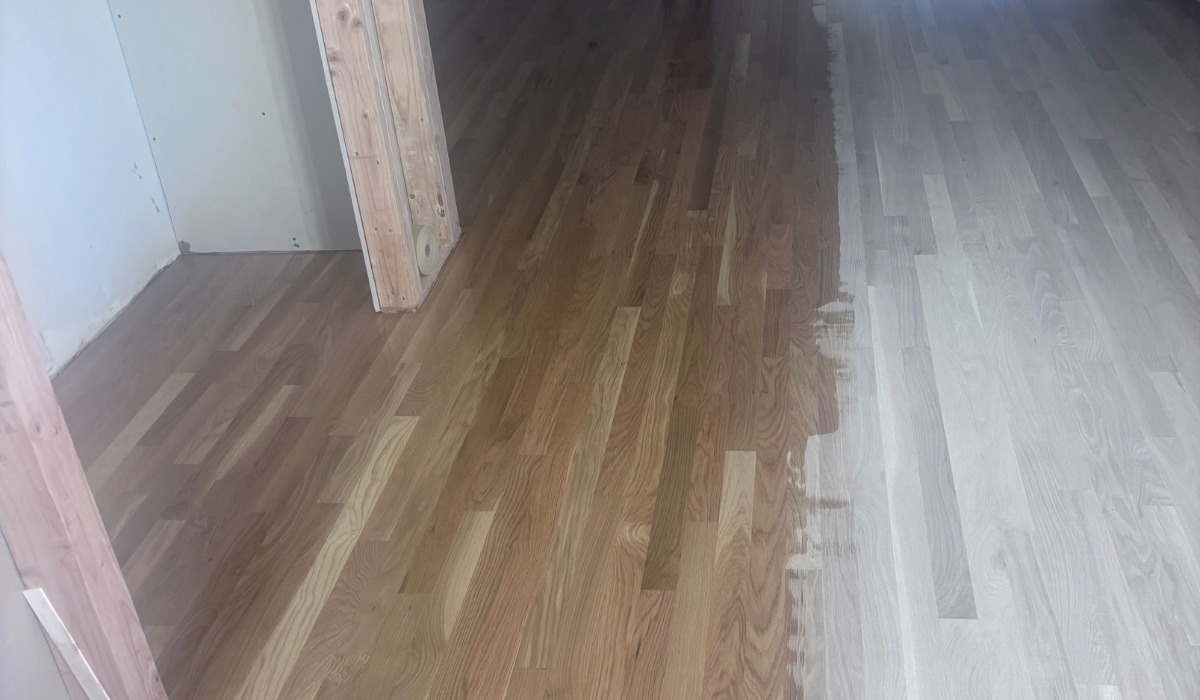
Finish type. Site-finished flooring is sanded and finished on-site after installation. This adds labor time but allows for seamless transitions between rooms. Prefinished flooring arrives ready to install and saves time. However, you cannot sand out scratches as easily later. Site finishing typically adds $1.50 to $4 per square foot to the total project cost.
Material Costs by Wood Type
The following table reflects approximate material-only costs per square foot for common hardwood species. These are market-range estimates and will vary by region, supplier, and grade.
| Wood Species | Material Cost (per sq. ft.) | Durability (Janka Rating) | Notes |
|---|---|---|---|
| Red Oak | $3 – $6 | 1,290 | Most common domestic species |
| White Oak | $4 – $8 | 1,360 | Preferred for wire-brushed and fumed finishes |
| Maple | $4 – $7 | 1,450 | Very hard; shows scratches less |
| Hickory | $4 – $8 | 1,820 | Rustic character; highly durable |
| Brazilian Cherry | $8 – $14 | 2,820 | Extremely hard; rich reddish tone |
| Walnut | $7 – $13 | 1,010 | Softer; prized for rich dark color |
| Teak | $10 – $20 | 1,000 | Oily grain; exceptional moisture resistance |
The Janka hardness rating measures the force required to embed a steel ball into wood. The American Hardwood Information Center maintains this standard. Higher ratings mean greater resistance to denting and wear. This matters significantly in high-traffic households with children or pets.
Labor Costs and What Installers Actually Charge
Labor is typically the second-largest line item after materials. It varies considerably based on geography, installer experience, and the complexity of the job.
Across most of the United States, installation labor for hardwood flooring runs between $3 and $10 per square foot. In high-cost metropolitan markets like Fairfield County, CT or Westchester County, NY, labor rates frequently land at the upper end of that range or above it. These areas reflect higher operating costs, licensing requirements, and the level of craftsmanship demanded by luxury projects.
Installers generally use one of three pricing structures:
- Per square foot: Most common for standard installations. This approach makes budgeting straightforward.
- Hourly rate: More typical for small jobs, repairs, or pattern work where square footage alone does not capture complexity.
- Flat project rate: Occasionally offered for simple, well-defined jobs. This requires clear scope documentation.
Always request an itemized written estimate. A quote that simply says “$12 per square foot installed” tells you very little about what is and is not included.
Room Size, Layout, and Site Conditions
Square footage is the obvious cost driver. However, the geometry and condition of the space matter just as much.
Layout complexity. A straightforward rectangular room is the easiest scenario. Diagonal installations, herringbone, parquet, or chevron patterns require significantly more cuts. Moreover, these intricate layouts generate more material waste—typically 10 to 15 percent additional. They demand more skilled labor as well. For intricate patterns, labor costs can effectively double compared to a standard parallel installation.
Subfloor condition. Before any hardwood goes down, the subfloor must be flat, structurally sound, and within acceptable moisture tolerance. If the existing subfloor is uneven, damaged, or wet, remediation work adds cost. Leveling compounds, subfloor replacement, or moisture barriers can add $1 to $3 per square foot before the hardwood is even ordered.
Stairs. Stair nosing and riser work is priced separately from flat flooring. Expect to pay $40 to $100 per step depending on material and complexity. Each step requires precise cutting and secure attachment.
Transitions and trim. Thresholds between rooms, reducer strips, quarter-round molding, and base shoe trim are often quoted separately. These finishes matter visually in high-end installations. They should not be treated as afterthoughts.
Engineered vs. Solid Hardwood: Installation Cost Differences
Solid hardwood is milled from a single piece of wood. It is typically 3/4 inch thick. Professional installers can sand and refinish it multiple times over its lifespan, which adds long-term value. However, it is susceptible to moisture. Generally, it is not recommended for below-grade installations like finished basements.
Engineered hardwood uses a real wood veneer bonded over a plywood or HDF core. It offers better dimensional stability across humidity swings. This makes it suitable for radiant heat systems and on-grade or below-grade applications. Material costs for engineered hardwood typically range from $3 to $15 per square foot depending on veneer thickness and core quality. Thicker veneers (2mm and above) allow for one or two refinishing cycles. Thinner veneers do not.
The installation cost difference between the two is modest. Both can be nailed, stapled, glued, or in some cases floated. However, the preferred method varies by product and subfloor type. Where the real cost difference emerges is in long-term refinishing potential. Solid hardwood can be refinished six to eight times over its life. Engineered hardwood with a thin veneer may only tolerate one refinishing or none at all.
For homeowners weighing room-by-room decisions during a larger renovation, understanding these trade-offs is essential. This is particularly important when thinking about custom home builder cost factors luxury homes and how flooring selection affects both perceived and appraised value.
Hidden Costs Most Homeowners Miss
Even careful planners can get tripped up by line items that do not appear in the initial quote.
Furniture moving. Most installers do not move furniture as part of their standard scope. Factor in the time and potential cost of clearing the space before the crew arrives.
Old flooring removal. Tearing out carpet, tile, or existing wood adds cost. Expect $1 to $2 per square foot for removal and disposal. However, hazardous materials like asbestos-containing adhesives will require licensed abatement. These materials result in significantly higher costs.
Acclimation time. Solid hardwood must acclimate to the home’s temperature and humidity for three to five days before installation. This does not add direct cost, but it affects scheduling. If your contractor is not building in acclimation time, that is a red flag.
Finishing touchups. Even with prefinished flooring, minor touchups appear as necessary work. Staining at transitions and final cleaning are labor items. Site-finished floors require multiple coats of finish and drying time between coats. This keeps the space out of use for several days.
Permits. In most jurisdictions, residential flooring does not require a building permit. However, if the flooring work is part of a larger renovation that does require permits, such as a room addition, the broader project scope applies. When comparing a home addition vs. moving to expand your space, understanding the full permit and finish scope is an important part of the financial picture.
How Hardwood Flooring Fits Into a Larger Renovation
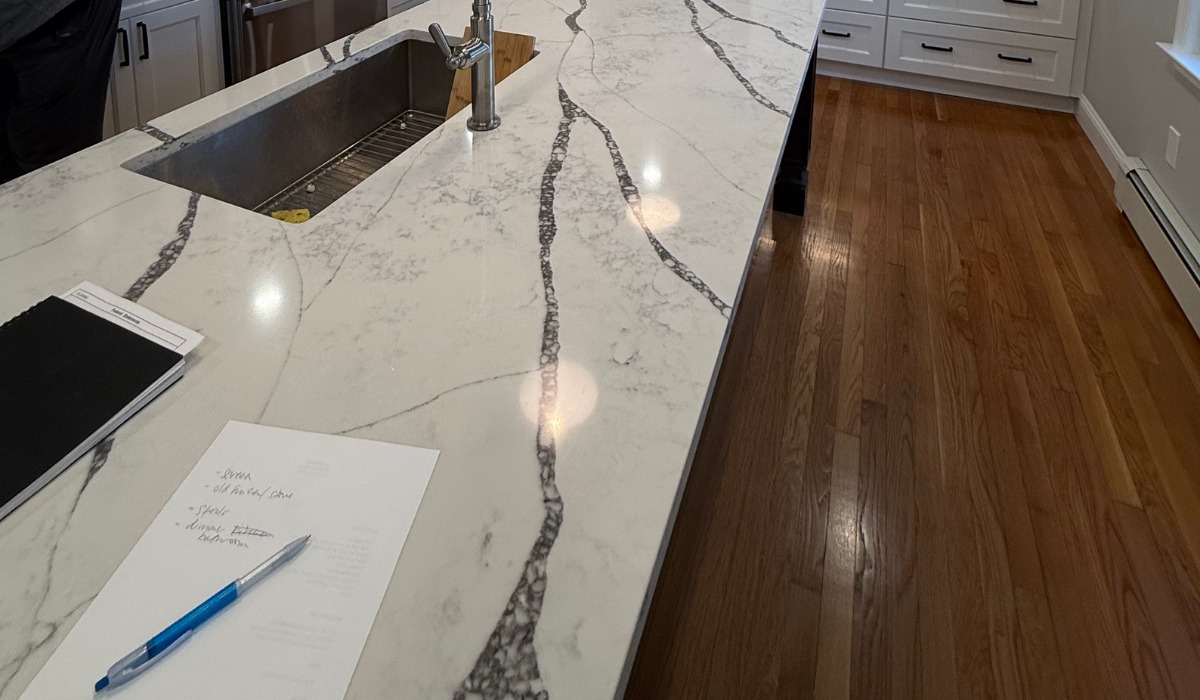
Flooring rarely happens in isolation in a high-end renovation. It is typically sequenced after rough mechanical work, drywall, and painting. Installation occurs before final trim and cabinet installation. Getting that sequence wrong creates expensive rework.
In kitchen projects, for instance, decisions about cabinet layout directly affect where flooring starts and ends, highlighting the coordination challenges involved in how kitchen remodelers plan around custom cabinets, appliances, and lighting. Whether flooring runs under toe kicks or stops at the cabinet base affects both material quantities and installation complexity.
For homeowners in Fairfield and Westchester counties, working with kitchen remodelers with Westchester and Fairfield local expertise can be a meaningful advantage because these firms manage project interdependencies in-house rather than treating flooring as a standalone trade. Gerety Building & Restoration, with over 40 years of experience serving affluent homeowners across the region, handles flooring as part of fully coordinated design-build projects. This means the flooring plan is integrated from the beginning rather than retrofitted around decisions made by other contractors.
Regional expertise also matters for local material sourcing, climate considerations, and code compliance. Professionals in this area understand how homes are built locally. They know how humidity fluctuates seasonally. They recognize what finish standards the local market expects. All of these factors feed into a better installation outcome. Hardwood flooring installation cost does not exist in a vacuum. When flooring is part of a whole-home renovation or historic restoration, the total investment needs to account for sequencing. Material compatibility with existing architecture and finish standards that match the rest of the project are equally important.
Things to Know
- Acclimation is not optional. Skipping it is one of the most common causes of post-installation cupping, gapping, and squeaking.
- The cheapest quote is rarely the best value. Low bids often exclude subfloor prep, finishing, and trim. These items appear later as change orders.
- Hardwood adds measurable resale value. According to the National Association of Realtors, hardwood flooring is consistently cited by real estate agents as a feature that helps homes sell faster. Homes sell at higher prices as well, though exact figures vary by market.
- Moisture testing before installation is standard practice for quality installers. This should be confirmed in writing as part of the scope.
- Wider planks are more susceptible to movement with humidity changes. This is a real consideration in the Northeast’s seasonal climate swings.
- Refinishing an existing floor typically costs $3 to $5 per square foot. This is a fraction of full replacement, making condition assessment before replacement worth the time.
Schedule Your Hardwood Flooring Estimate With Gerety Building & Restoration
Gerety Building & Restoration has spent more than 40 years delivering precision craftsmanship to homeowners across Fairfield County, CT and Westchester County, NY. If you are ready to move forward with hardwood flooring installation cost planning as part of a renovation, addition, or whole-home project, the time to start planning is before materials are ordered. Trades should be scheduled accordingly.
Request a personalized consultation and let our team assess your space. We walk you through material options and build an accurate, itemized estimate that accounts for every phase of the installation. Contact us today to set up your project walkthrough and get a clear picture of what your flooring investment will actually cost.
Frequently Asked Questions
Q: How much does it cost to install hardwood floors in a 1,000-square-foot home?
A 1,000-square-foot hardwood flooring installation typically costs between $6,000 and $25,000. This depends on species, labor rates, layout complexity, and subfloor condition. At the lower end, you are looking at domestic species like red oak. Installation occurs in a straightforward rectangular layout on a sound subfloor. At the upper end, exotic woods, herringbone or chevron patterns, site finishing, and subfloor remediation push totals considerably higher. Always request a fully itemized written estimate rather than a single per-square-foot number. Bundled quotes often obscure what is and is not included.
Q: Is engineered hardwood cheaper to install than solid hardwood?
Installation labor costs are similar for both types. The meaningful cost differences come from material price and long-term refinishing potential. Engineered hardwood material costs range from $3 to $15 per square foot. This overlaps significantly with solid hardwood pricing. Where the trade-off becomes clear is over time. Solid hardwood can be sanded and refinished six to eight times across its lifespan. Thin-veneer engineered products may tolerate one refinishing cycle or none. If you are installing in an area with radiant heat or moisture exposure, engineered hardwood offers better dimensional stability. It is generally the more appropriate choice regardless of price.
Q: What is the difference between site-finished and prefinished hardwood, and which costs more?
Site-finished hardwood costs more upfront due to added labor. However, it produces a seamless look and allows for a fully custom stain color matched to your space. Prefinished hardwood arrives from the factory with the finish already applied. This reduces on-site labor time and gets you back in the space faster. Site-finished floors require sanding, staining, and multiple coats of finish applied after installation. This adds $1.50 to $4 per square foot to the project total. For high-end renovations where visual continuity and custom color matching matter, most experienced contractors recommend site finishing. This is true despite the added cost and extended timeline.
Q: Do I need to remove existing flooring before installing hardwood, and how much does that add to the cost?
In most cases, yes: existing flooring must be removed before hardwood installation. Removal typically adds $1 to $2 per square foot to the project. Whether you are pulling up carpet, vinyl, ceramic tile, or old hardwood, each material carries its own removal complexity and disposal cost. Tile removal is particularly labor-intensive and can damage the subfloor. This requires additional patching before hardwood goes down. If any existing adhesives or underlayment materials were installed prior to 1980, they may contain asbestos. These require licensed abatement, which adds both cost and lead time. This is a critical item to flag during the estimation phase rather than discover mid-project.
Q: How long does hardwood flooring installation take from start to finish?
Most residential hardwood flooring projects take three to seven days from acclimation through final finish coat. Larger or more complex jobs can run longer. The timeline breaks down roughly as follows: two to five days for wood acclimation, one to three days for installation depending on square footage and pattern complexity, and one to two days for site finishing if applicable. This includes drying time between coats. Subfloor repairs, stair work, and furniture logistics can all extend the schedule. For projects that are part of a broader renovation, flooring is typically sequenced after rough mechanical work and painting. It occurs before final trim installation. The overall project timeline should build in flooring as a critical path item.
The Bottom Line on Hardwood Flooring Installation Cost
Hardwood flooring installation cost is determined by more variables than most homeowners initially expect. Species selection, grade, plank width, finish type, layout complexity, subfloor condition, and labor market rates all interact to produce the final number. The $6 to $25 per square foot range frames most general estimates. It is a useful starting point, but it is not a substitute for an accurate, site-specific assessment from a qualified contractor. A professional who has reviewed your actual space can provide better guidance.
For homeowners in Fairfield County and Westchester County undertaking renovations where flooring is part of a larger scope, partnering with a firm that manages the full project sequence in-house eliminates coordination gaps. These gaps create costly rework. Gerety Building & Restoration has been doing exactly that for over four decades. Reach out today to schedule a walkthrough and get a clear, detailed estimate built around your specific project.